
The Quiet Reset: Why Sound Baths Are Becoming a Go-To Break in a Loud World
In a region moving faster than most people can breathe, sound baths are quietly becoming a new kind of reset, one that doesn’t require perfection, gear, or expertise, just a willingness to stop. For many across the DMV, that alone feels unfamiliar.
Most people don’t notice how tense their bodies are until they finally stop. Shoulders lifted. Breathe shallow. Thoughts still running in the background like open tabs that never close. This is the state many walk into at the end of a workday in the DMV, a region built on deadlines, urgency, and the pressure to keep moving long after the mind is tired.
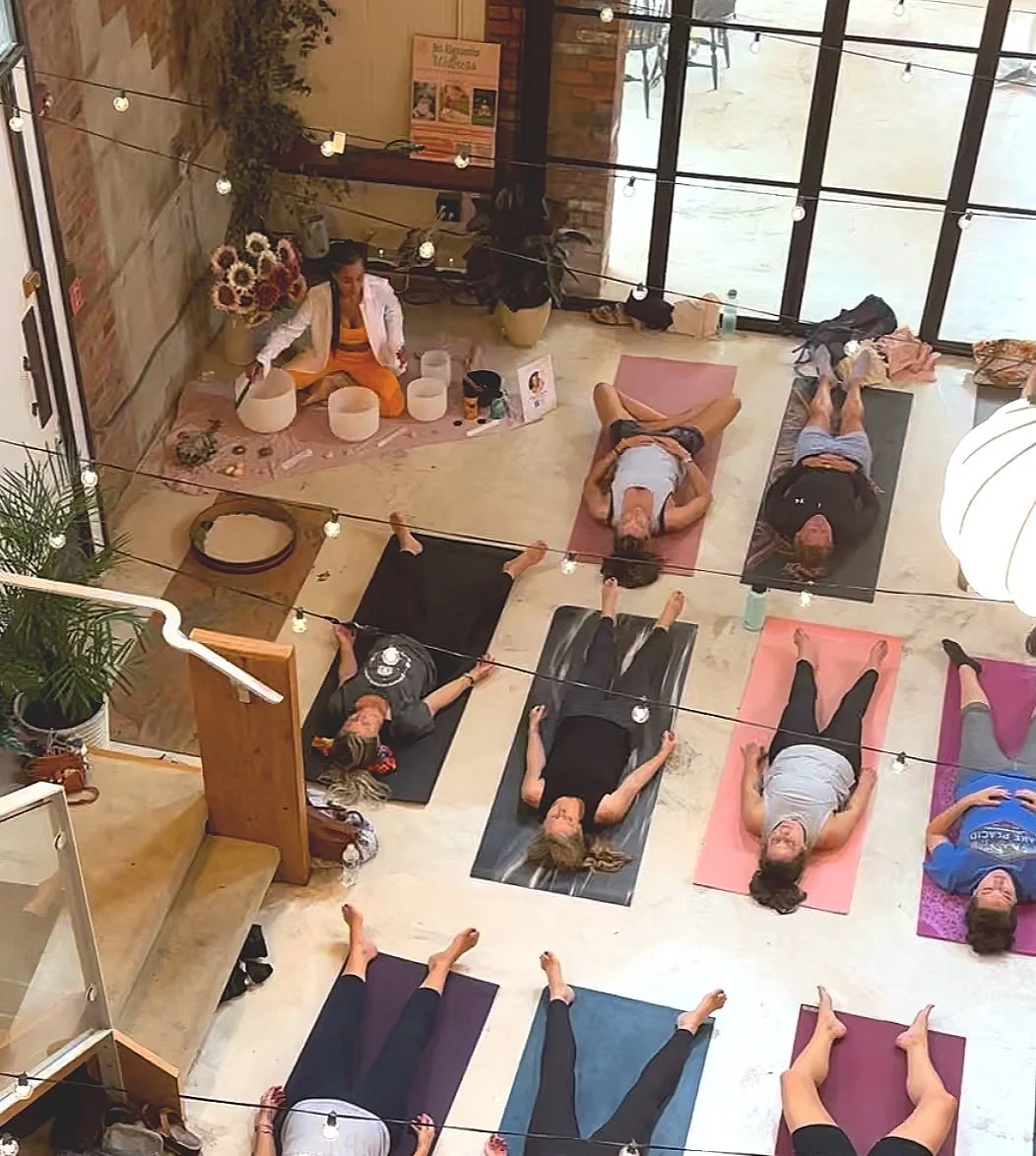
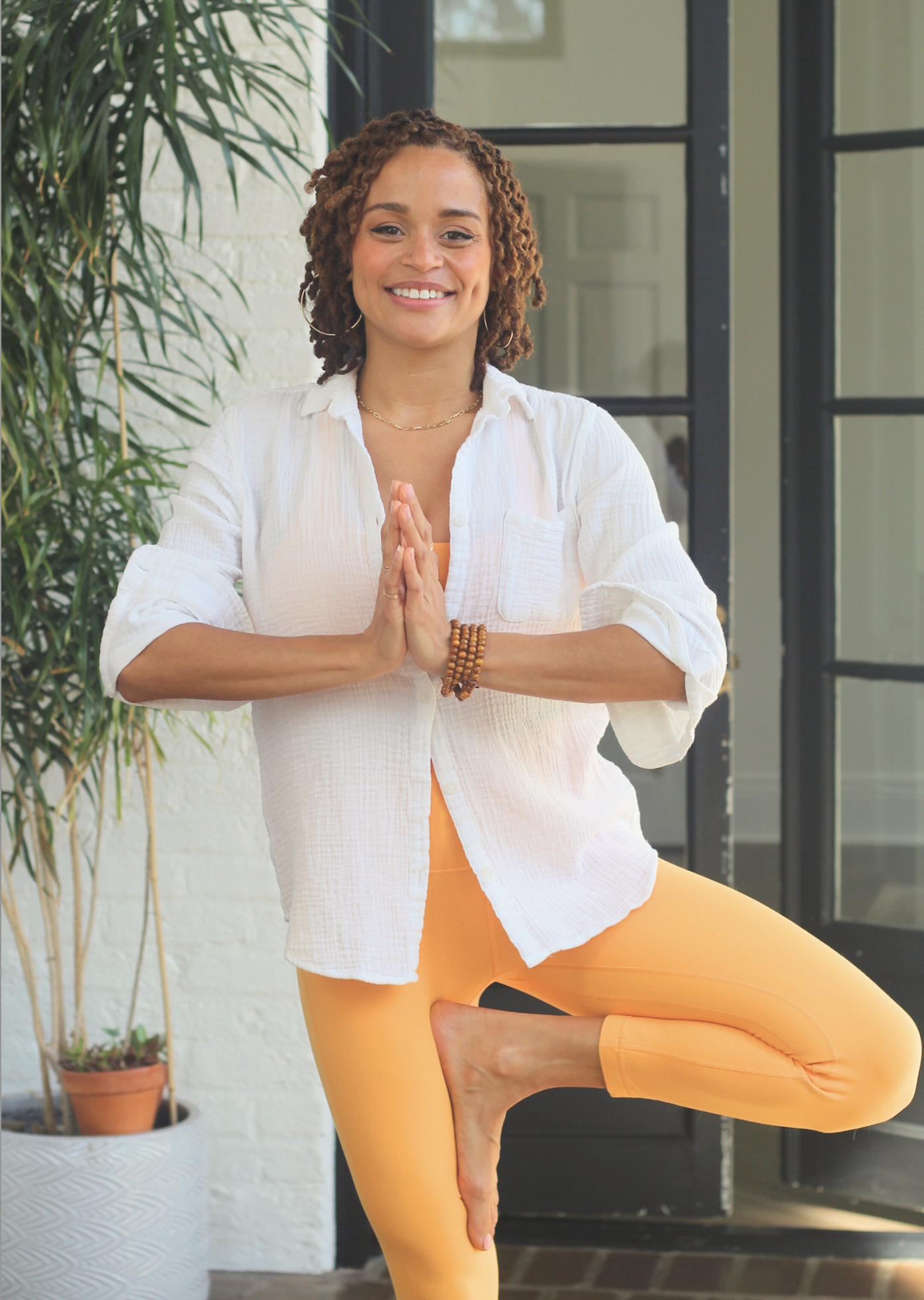
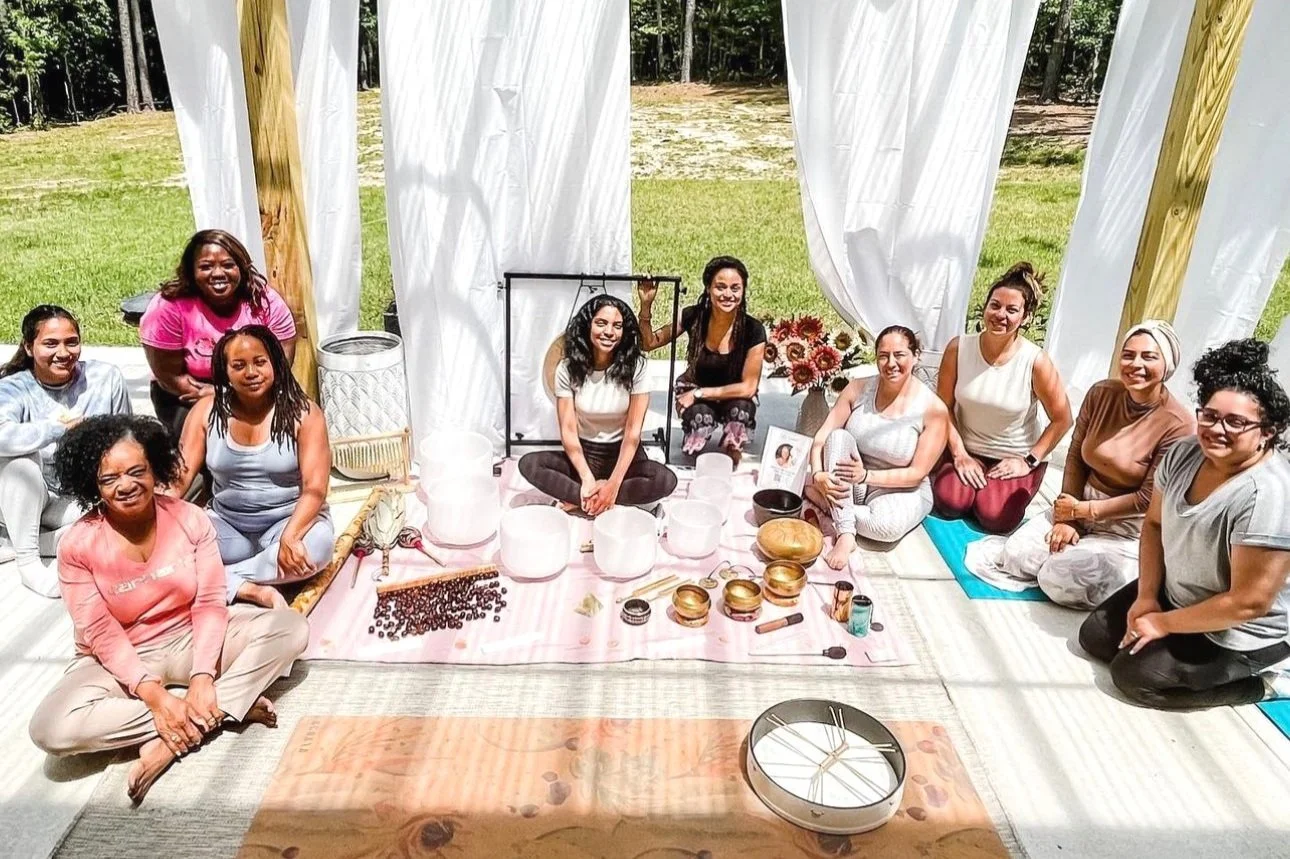
In rooms like this, with people carrying more than they say out loud, is where Bri Alexander begins her work.
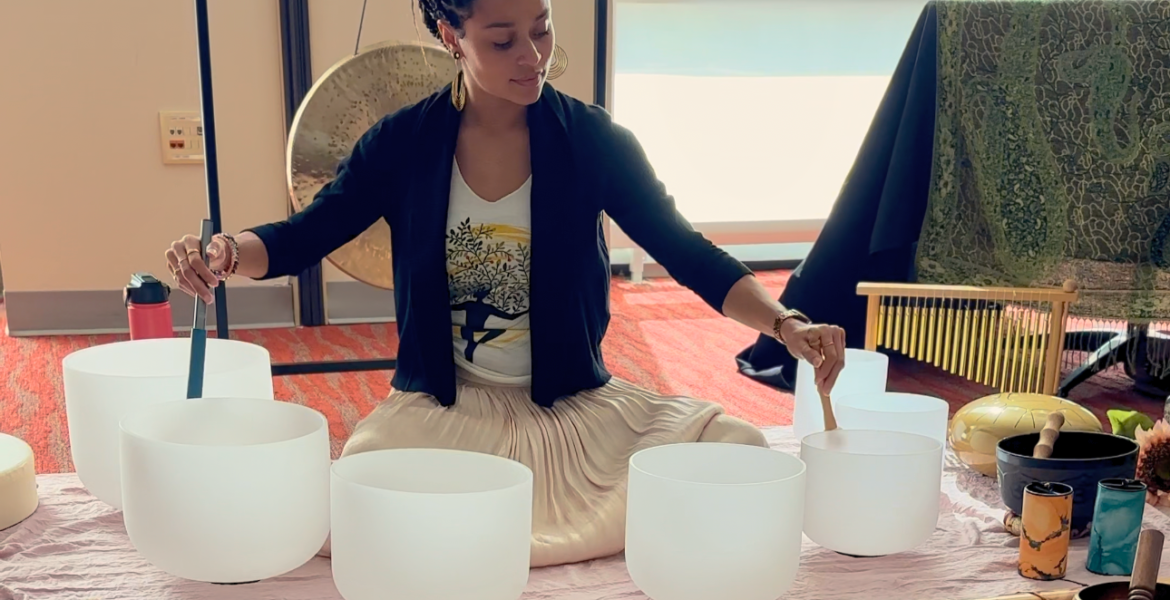
She doesn’t ask anyone to come in, knowing what a sound bath is. She doesn’t ask for spiritual readiness or yoga experience. She starts with something far simpler: quiet. Then breathe. Then the slow rise of sound, warm, steady, and grounding, moves through the room, shifting people before they even realize it’s happening.
At first, the stillness can feel strange. Many arrive with their shoulders still locked from the day, phones still buzzing, minds still in motion. But as the tones settle into the space, you can feel the room loosen. Faces soften. Breathing slows. And for a moment, the world outside doesn’t feel as loud.
For Bri, the work isn’t about escape. It’s about giving people a place to land, even briefly, when everything else demands they stay “on.” The DMV is a region where overthinking is normal, rushing is expected, and exhaustion often hides behind a polished exterior. Sound baths offer the opposite: a pause without judgment, a break without expectation.
What makes the experience resonate isn’t the bowls themselves, but the environment Bri creates: a space where people who rarely slow down finally let themselves be still. Some come from corporate offices. Some from long commutes. Some from classrooms or caregiving, or the emotional weight of simply trying to keep up. The reasons differ, but the need is shared.
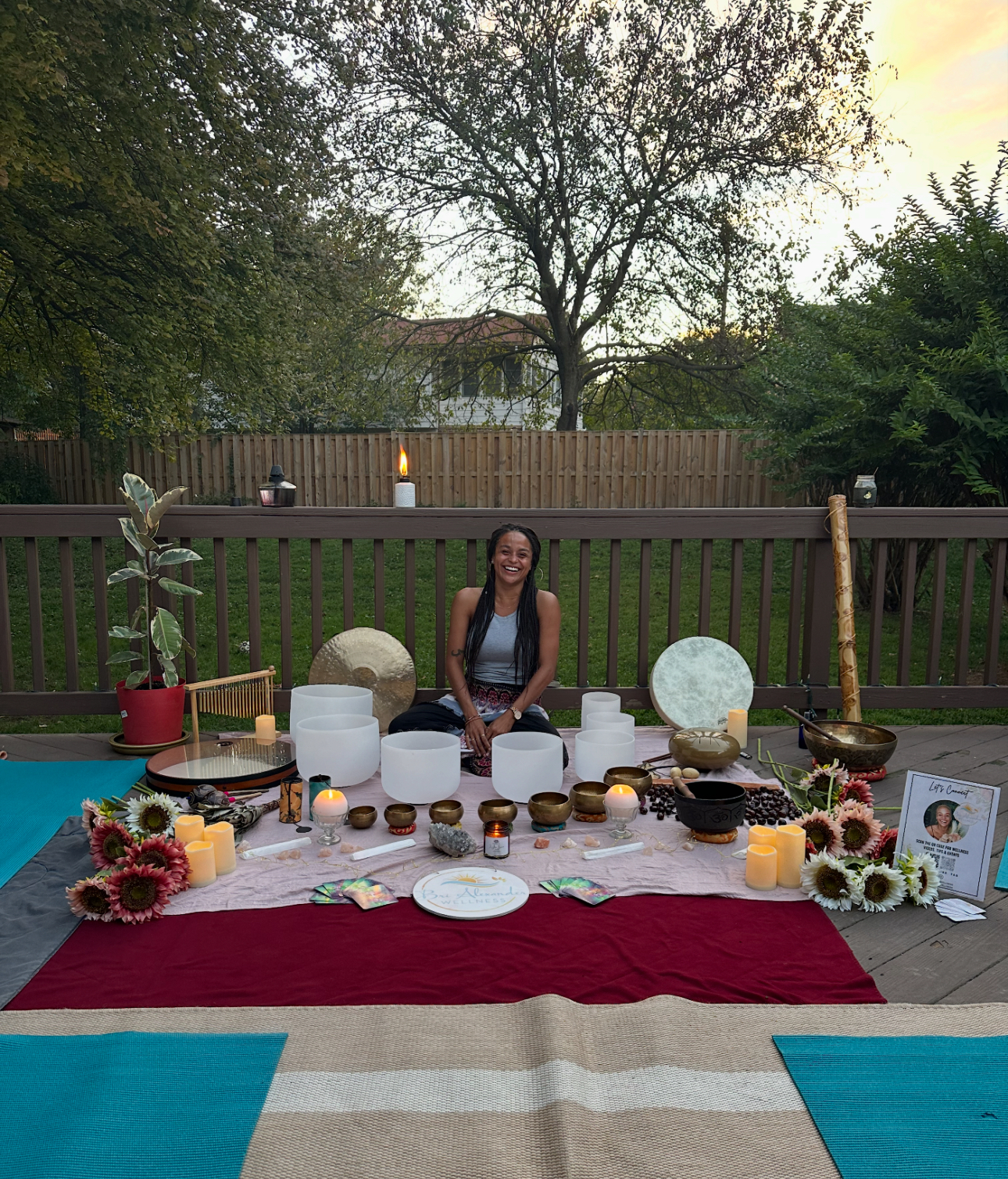
Young women describe the sessions as a kind of reset they didn’t know they needed. Working professionals call it the one hour where they’re not performing. Others say it’s the first time they’ve felt their mind “go quiet” in months. These moments are small, but they linger,r often becoming the reason people return.
Sound baths may be categorized as wellness, but what is happening inside the room speaks to something deeper. It’s the relief of not being responsible for anyone else in that moment. The comfort of a slower pace. The feeling of being grounded without having to work for it.
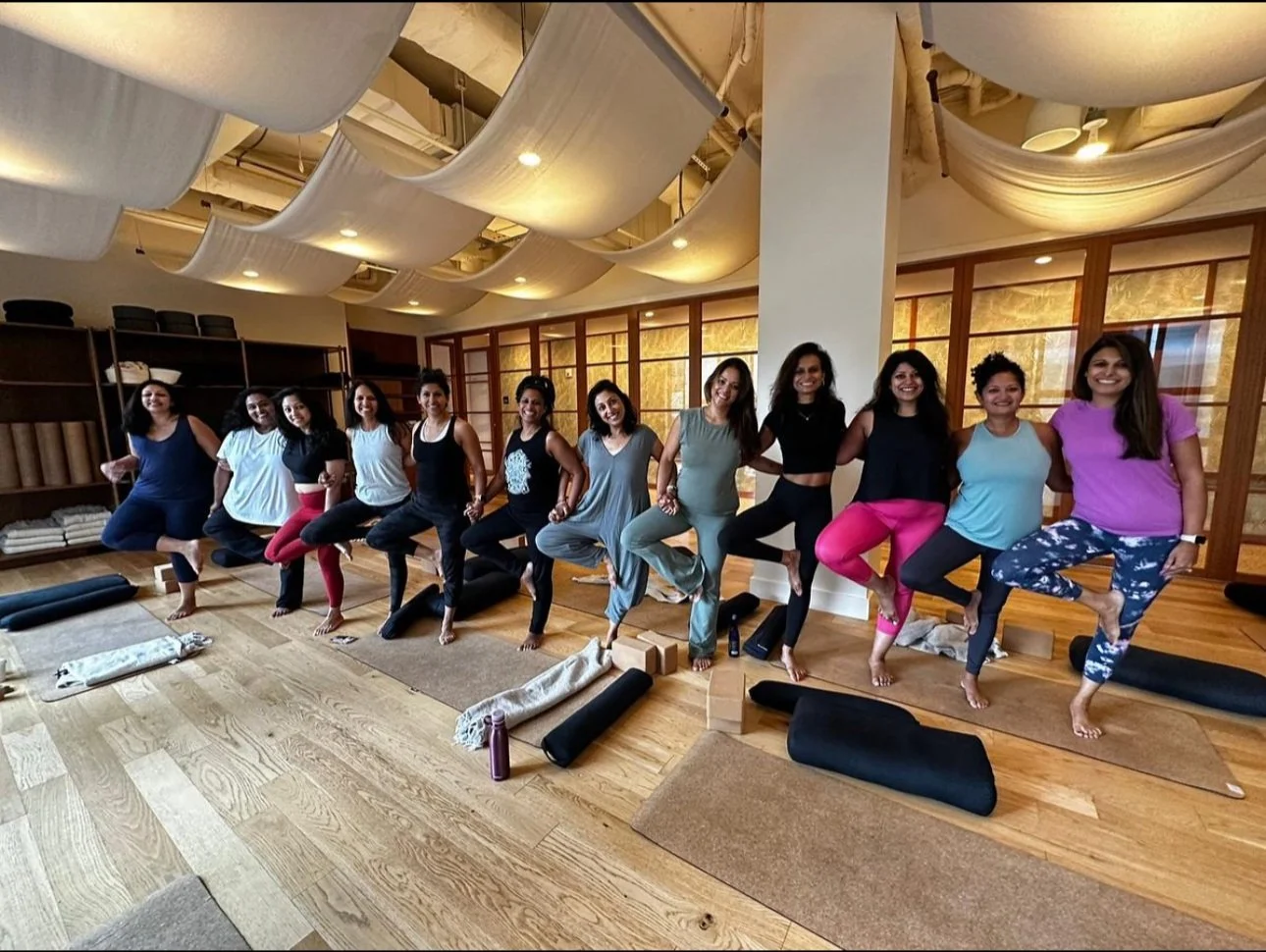
Bri’s work taps into a growing truth: rest is no longer a luxury; it’s survival. Especially here, where days run long, and expectations run higher. The practice doesn’t require belief, only presence. And as more people discover it, sound baths are becoming less of a trend and more of a tool, something accessible, human, and deeply needed.
The quiet inside her sessions isn’t empty. It’s intentional. It’s the kind of quiet that lets people start again, lighter. Softer. More aware of themselves than when they walked in.
In a world that keeps getting louder, that kind of reset is starting to feel essential.